
Property Protection
How to Protect Vacant Land in India From Encroachment
Practical, non-legal steps for owners of empty plots — documentation, boundary demarcation, signage, inspection cadence and knowing when to escalate.
· Property Protection
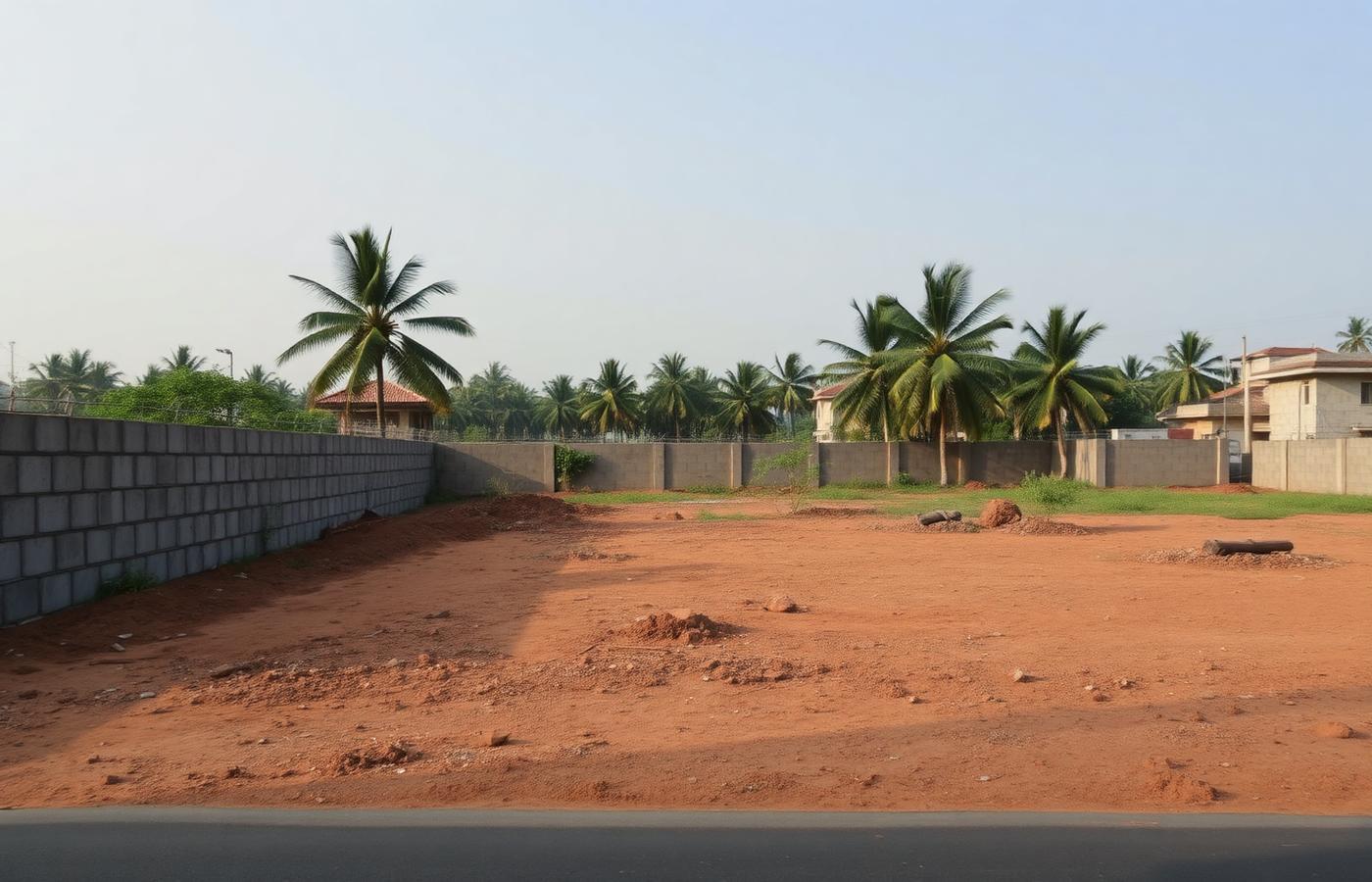
Vacant land is, almost by definition, the property most vulnerable to encroachment. There's no tenant to notice a moved fence, no caretaker living on site, and often long gaps between visits from the owner. None of that means encroachment is inevitable — but it does mean protecting vacant land takes a deliberate, ongoing routine rather than a single decisive action. Below is a practical set of measures, roughly in the order we'd suggest putting them in place.
Get your documentation in order first
Before anything else, make sure your title documents, survey records and property-tax receipts are current, consistent with each other, and easy to produce on short notice. If a dispute ever arises, the speed and clarity of your paper trail is often what determines how quickly it gets resolved. Keep both physical and digital copies, and make sure a trusted local contact knows where they are.
Establish clear boundary demarcation
Boundary stones move, wooden markers rot, and informal markers get "adjusted" over time by neighbours who may not even intend harm. Where practical, durable markers — concrete boundary pillars, for instance — make the plot's actual extent harder to dispute or quietly redraw. This is worth doing even on land you don't plan to build on soon.
Add signage or fencing where appropriate
A visible sign stating the land is privately owned, or basic fencing along the boundary, changes the practical calculation for anyone considering informal use of the land. It won't stop a determined encroacher, but it removes the easiest excuse — "I didn't know it was owned" — and signals that the property is actively watched.
Inspect periodically, not just occasionally
A single visit a year is better than nothing, but encroachment tends to happen in small, deniable steps between visits. A more frequent, scheduled cadence — whether that's a coordinated visit by someone you trust or a formal inspection service — narrows the window during which a small problem can grow into an entrenched one.
Build a photographic history
Dated photographs from the same vantage points, taken on each visit, do two things at once: they let you personally compare condition over time, and they create evidence that would matter if you ever needed to show exactly when a change occurred. This is one of the cheapest protective measures available, and one of the most useful in practice.
Keep up basic local maintenance
Overgrown, visibly neglected land reads as unclaimed, whether or not that's true. Periodic clearing of vegetation, keeping access paths visible, and maintaining any existing fencing or walls all signal active ownership — which is itself a mild deterrent.
Keep records organized and accessible
Store your inspection reports, photographs, tax receipts and title documents together, ideally in a system you or a trusted representative can access without needing to be physically in India. When a question comes up — from a bank, a buyer, or a local authority — being able to produce a clear, dated record set quickly is a real advantage.
Escalate the first real signal promptly
New fencing that wasn't there before, a structure that's appeared, a vehicle that never moves — these are the moments to act, not wait and see. Raised early, most of these are conversations, or at most a formal notice. Left for months or years, uncontested occupation becomes progressively harder to reverse, and the situation moves from a property-management issue to a legal one.
When legal assistance is required
If informal steps don't resolve the situation — a written notice is ignored, occupation continues, or a claim of ownership is asserted — that's the point to involve a lawyer practising where the land is located. This article describes preventive property management, not legal strategy; specific disputes need specific legal advice.
Where ongoing monitoring fits
Everything above is easier to sustain with a structured, repeatable process behind it rather than relying on memory and good intentions. Our Property Watch service builds scheduled ground visits, dated photo and video evidence, and a running visit history around exactly this need. For land that carries higher value or higher risk, Property Protect 360 adds more frequent visits and a records-watch schedule on top of the same monitoring routine.
Put a routine around protecting your land
Scheduled visits, dated evidence and a timeline you can check from anywhere.